
The difference between a good speaker and a great speaker is....

If you've been around these parts for a while, you've heard me talk about practice. The more you speak, the better speaker you become, right?
The difference between a good speaker and a great speaker is 1000 speeches.
But if during those 1000 speeches, you're practicing your "bad" habits again and again, you might not actually become a better speaker -- you'll just get really good at your bad habits.
Which is why it matters that you be very intentional about how and what you practice.
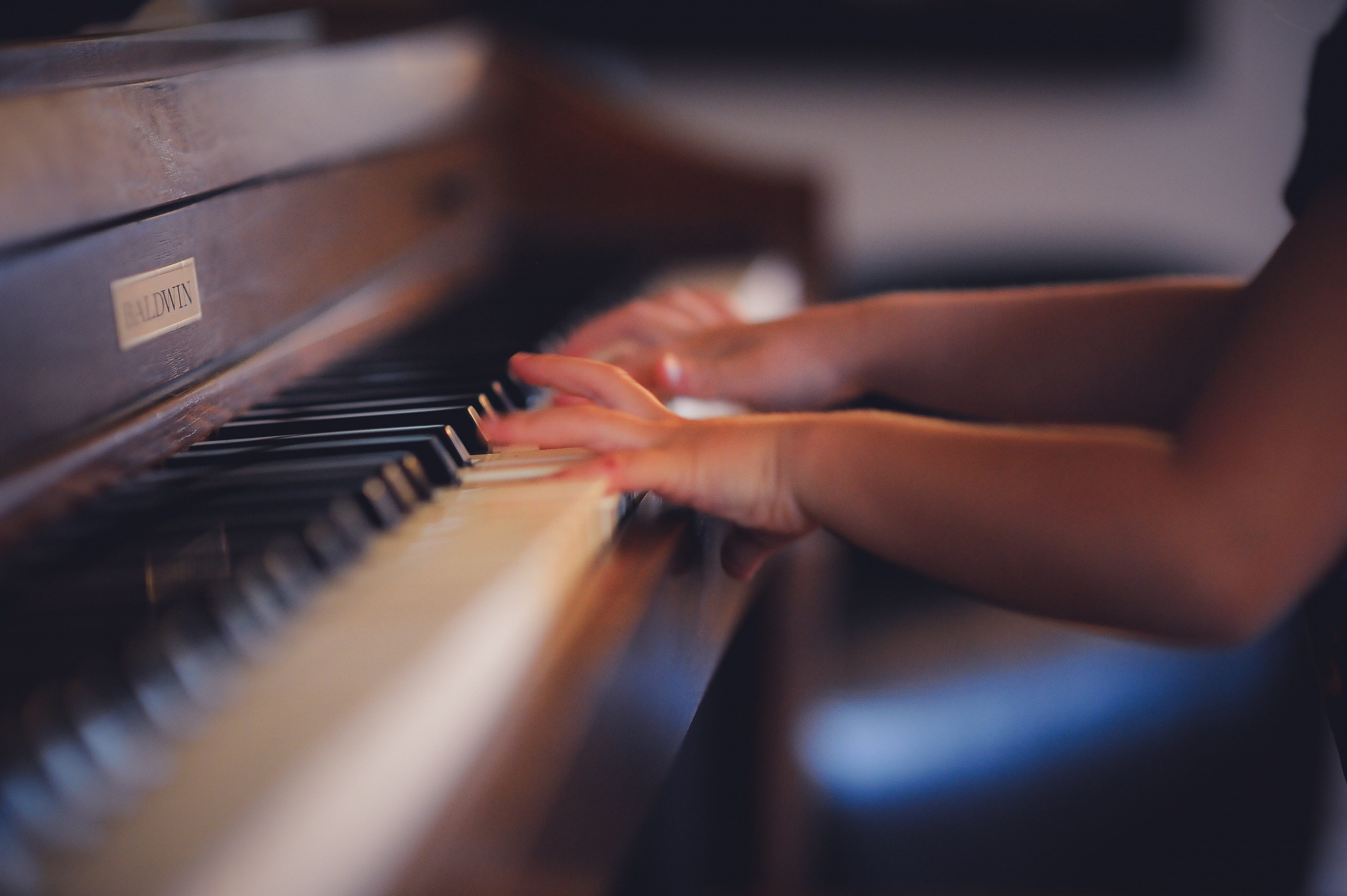
You may remember the stories I've told about Margaret Baxstresser, who was one of my piano teachers as a young adult.
After taking piano lessons all through my childhood, I was working on my graduate degree at Kent State, and decided to take piano lessons again to bone up on my piano chops.
Mrs. Baxstresser was an internationally renowned concert pianist who only worked with piano majors, and it was somewhat of a fluke that I got assigned to her as my teacher, but she took me on.
She was famously a little bit scary, but also brilliant and kind.
She's the one who taught me about practice. She insisted that I always work with a metronome, and if I made a mistake, that I NOT go back to fix it. Instead that I carry on, playing through the mistakes. The most important thing was to keep the rhythm consistent, and not to train my brain to repeat the mistake.
If I went back to fix the mistake, that's what I would be practicing, and my brain would get really good at making that mistake.
The metronome held me to the rhythm. It became my coach, and held me to my north star. I would nod to the mistake, but keep right on going.
So I strengthened the muscle of moving forward, not of backtracking and fixing.
And I got really good at allowing my fumbles to roll right off, so I could stay focussed on playing the music.
I'm working with a client currently who winces every time she makes a mistake.
If she goes blank, forgets what she's saying, stumbles through her words, she'll make that familiar sound of frustration under her breath then she backs up and fixes it.
Which means that's what she's practicing -- making the mistake, backing up and fixing it.
I'm supporting her in practicing NOT stopping for the mistake, and letting the mistakes, the fumbles, the awkward pauses just roll right off.
I can see her brain slowing down to catch up.
I can see the new neural pathway being created when she takes a breath and pauses instead of following the impulse to wince, grumble and correct.
Ooh baby, it's as satisfying and delightful as watching a crocus find it's way out of the ground in spring, that slow emergence into something new.
It’s as if I've just seen a kid figure out how to tie her shoe for the first time. Fumble fumble fumble.....then aaaaaahhhhhh!
And every cell in my body joins in and does a happy dance because woot! woot! A NEW PATHWAY has been formed!!!
🎉 🎉 🎉
The decision to go forward and the container of support that I'm holding for her serve as a metronome to keep her on track, stay with the rhythm, play the music of her speech.
How bout you? What are you practicing? What new habits are you developing?
See you out there
Johanna
P.S. If you want some support re-writing the habits of fear when it comes to public speaking, join me for the FREE ONLINE TRAINING "How to turn fear of public speaking into power & presence" happening on Thursday April 24, 10- 12 MT / 12-2 ET.